
The Comprehensive Guide to Wedding Catering
Planning a wedding involves many moving parts, and one of the most important elements is catering. From menu selection to service styles, wedding catering plays a key role in shaping guests’ experiences and ensuring the day runs smoothly. This guide explains what wedding catering is, why it matters, and how to navigate choices, trends, and legal considerations with confidence.
What Is Wedding Catering and Why It Exists
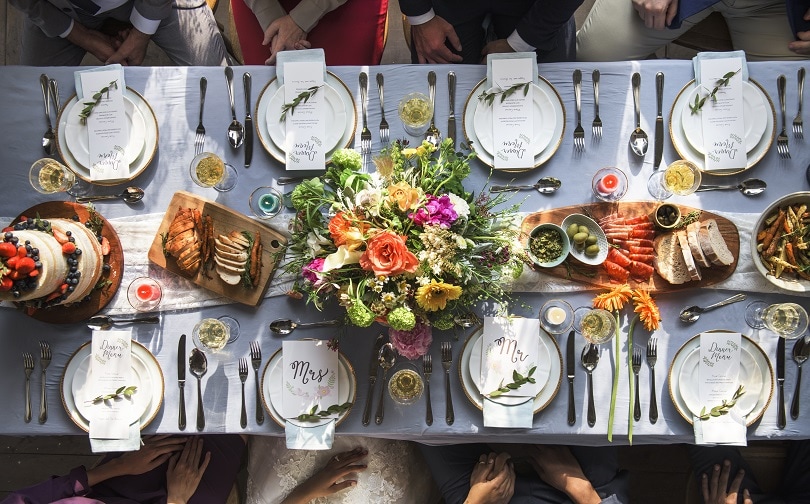
Wedding catering refers to the preparation, presentation, and service of food and beverages during a wedding celebration. Catering may include everything from appetizers and drinks during cocktail hour to full-course meals, dessert stations, and late-night snacks. It exists to meet the need for organized, high-quality food services during weddings, enabling couples to offer guests a memorable dining experience without the stress of doing it themselves.
There are generally three types of wedding catering services:
Full-service catering: Offers complete service including setup, staffing, bar service, cleanup, and rentals.
Drop-off catering: Prepares and delivers food, but does not offer staffing or on-site services.
Partial-service catering: Combines delivery with some staffing or setup options.
Catering can be sourced from professional catering companies, hotels, restaurants, or even local chefs and food trucks, depending on the couple's preferences and budget.
Why Wedding Catering Matters Today
Who It Affects
Couples and families organizing the wedding
Guests, who expect a quality meal and smooth service
Vendors, including planners and venues who coordinate with caterers
Catering businesses, whose livelihoods depend on successful events
Problems It Solves
Wedding catering helps:
Ensure meals are served efficiently to large groups
Accommodate dietary restrictions and food allergies
Align food choices with cultural or religious traditions
Enhance the event's atmosphere through service and presentation
Impact on the Wedding Experience
Food and drink often account for a significant portion of the wedding budget—usually 30–40% of total costs. Catering directly affects:
Guest satisfaction
Event timeline and flow
Overall aesthetic and theme cohesion
A well-managed catering plan prevents delays, food shortages, or service gaps, making the event smoother and more enjoyable.
Recent Trends and Updates (2024–2025)
1. Sustainable Catering
Couples are prioritizing eco-friendly catering options. This includes:
Locally sourced and seasonal ingredients
Minimal food waste initiatives
Compostable or reusable serving ware
2. Personalized Menus
There’s growing demand for customized food experiences:
Build-your-own food stations (e.g., tacos, pasta, ramen)
Fusion menus blending different cuisines
Signature cocktails and mocktails
3. Dietary Inclusivity
Menus are increasingly accommodating:
Vegetarian and vegan diets
Gluten-free and dairy-free options
Halal, kosher, and allergy-sensitive meals
4. Technology Integration
Digital tools are simplifying the planning process:
Online menu builders and tasting appointments
QR code menus and contactless service options
Event management apps for RSVP-based meal tracking
5. Smaller, Intimate Weddings
Post-pandemic, many couples are opting for micro-weddings (under 50 guests), which allows for:
More detailed food planning
Gourmet or fine-dining options
Flexible, non-traditional meal times
Data Table: Popular Catering Styles (2024 Survey)
| Catering Style | % of Couples Choosing It |
|---|---|
| Buffet | 38% |
| Plated Dinner | 29% |
| Food Stations | 18% |
| Family-Style | 10% |
| Food Trucks | 5% |
Laws, Permits, and Health Policies
Wedding catering must comply with local food safety laws, labor laws, and venue regulations. These can vary by region or country but generally include:
Health and Safety Regulations
Licensing: Caterers must have a valid food service license.
Inspections: Regular health inspections ensure cleanliness and food safety.
Food Handling Certification: Staff must be trained in proper food storage and preparation.
Alcohol Service
If alcohol is served:
Liquor licenses are required (by the caterer or venue).
Minimum age checks must be enforced by staff.
Some regions restrict serving hours or require security personnel.
Environmental Rules
Some regions now require:
Composting of food waste
Bans on single-use plastics
Energy-efficient cooking practices
Venue-Specific Policies
Some venues only allow in-house catering or a list of approved vendors.
Outdoor or private venues may need temporary event permits.
Always check with your venue and local authorities to ensure all necessary permits and policies are met.
Tools and Resources for Wedding Catering Planning
Modern couples have access to many digital tools and services that simplify catering planning. Here are some useful options:
Online Planning Platforms
WeddingWire (weddingwire.com) – Vendor search, reviews, and menu planning
The Knot (theknot.com) – Tools for budgeting, RSVPs, and catering checklists
Budget Calculators
Wedding Catering Calculator (from RealSimple or The Knot)
Estimate per-person costs and total catering budgets
Menu Planning Tools
Zola (zola.com) – Customizable menu templates
Canva – Design printable or digital menus
Dietary Management Apps
AllergyEats – Helps identify caterers who accommodate dietary needs
MenuSano – Nutritional analysis and labeling tools for caterers
Food & Beverage Trends Blogs
Catering Magazine
Modern Wedding Catering Blog
Love Inc. – Focuses on inclusive and modern trends
These resources help couples make informed decisions and stay organized throughout the catering process.
Frequently Asked Questions (FAQs)
1. How much does wedding catering typically cost?
Wedding catering costs vary widely depending on guest count, menu type, and service style. On average:
$30–$150 per person in the U.S.
Higher for plated dinners or specialty cuisines
Buffets and family-style meals tend to be more affordable
Be sure to factor in staffing, rentals, taxes, and gratuity when calculating your total.
2. What’s the difference between buffet and plated service?
Buffet: Guests serve themselves from a central table. It allows for variety but may cause lines.
Plated: Each guest receives a pre-selected meal served at the table. It offers more formality and structure but is generally more expensive.
3. Can I offer multiple meal options for guests?
Yes. Many couples allow guests to select from 2–3 options (e.g., chicken, fish, vegetarian) on the RSVP. Make sure to communicate these choices clearly and early to the caterer.
4. Do I need to provide meals for vendors?
Yes, especially for vendors working 6+ hours (e.g., photographers, DJs, planners). Some caterers offer discounted vendor meals that are simpler but still filling.
5. When should I book my caterer?
Ideally, 9–12 months before the wedding, especially if your date falls in peak season (spring and fall). This ensures availability, menu planning, and tastings can be scheduled in advance.
Conclusion
Wedding catering is a foundational part of any successful celebration. It involves careful planning, knowledge of food service styles, attention to guest needs, and adherence to legal requirements. With recent trends leaning toward sustainability, inclusivity, and tech-friendly planning, couples have more options than ever.
By leveraging tools, understanding local policies, and asking the right questions, couples can create a food experience that reflects their vision and values—while keeping guests satisfied from the first toast to the final bite.