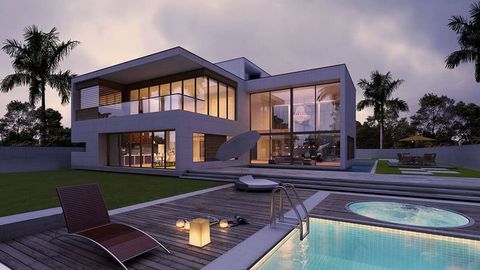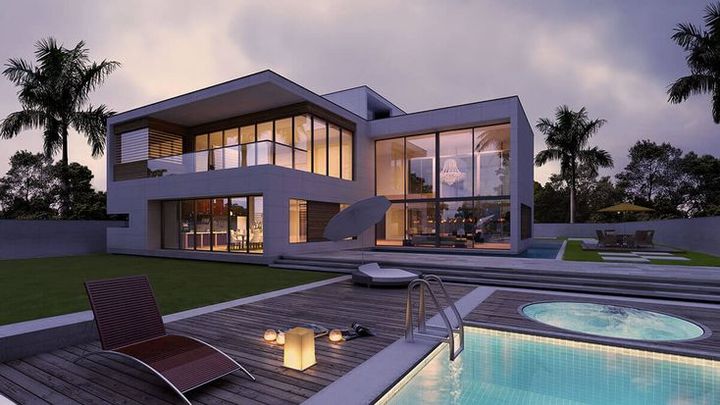
Your Guide to Affordable Homes: From Bungalows to Luxury Villas
Affordable homes refer to housing options that are reasonably priced for individuals or families with varying income levels. These can range from modest single-story bungalows to more upscale properties like compact villas, depending on the region and local economy. The goal is to provide a range of housing choices that meet both financial and lifestyle needs.
Affordable housing is not just about low-cost apartments. It includes a spectrum of home types—small urban townhouses, suburban bungalows, semi-detached homes, and even entry-level luxury villas. The key factor is that they are financially accessible to people in the middle- or lower-income brackets without compromising on safety, essential utilities, or basic living conditions.
Why Affordable Housing Matters Today
Housing Demand is Growing
Rising urban populations, changing lifestyles, and economic shifts have made housing a central concern in many parts of the world. Affordable homes help address several pressing issues:
- Urban Overcrowding: Affordable housing relieves pressure on city centers by enabling people to live in nearby areas.
- Housing Inequality: It offers opportunities for low- to middle-income families to own property or find stable rental housing.
- Economic Stability: Home ownership is often tied to financial security and long-term stability for families.
- Rural Development: Encouraging home construction in rural or semi-urban areas can help reduce migration and support local economies.
Who Is Affected?
- Affordable housing primarily benefits:
- First-time homebuyers
- Young professionals and students
- Retired individuals with fixed incomes
- Low- and middle-income families
- People living in high-rent urban areas
It also helps governments and municipalities by reducing the number of homeless individuals and creating more balanced, sustainable communities.
Recent Trends and Updates (2024–2025)
Several developments in the past year have reshaped the landscape of affordable housing.
1. Modular and Prefabricated Homes
Modular housing has gained popularity due to lower construction costs and faster build times. In 2024, countries like Canada, India, and the U.S. expanded pilot projects to encourage modular housing for both urban and rural areas.
2. Micro-Homes and Compact Villas
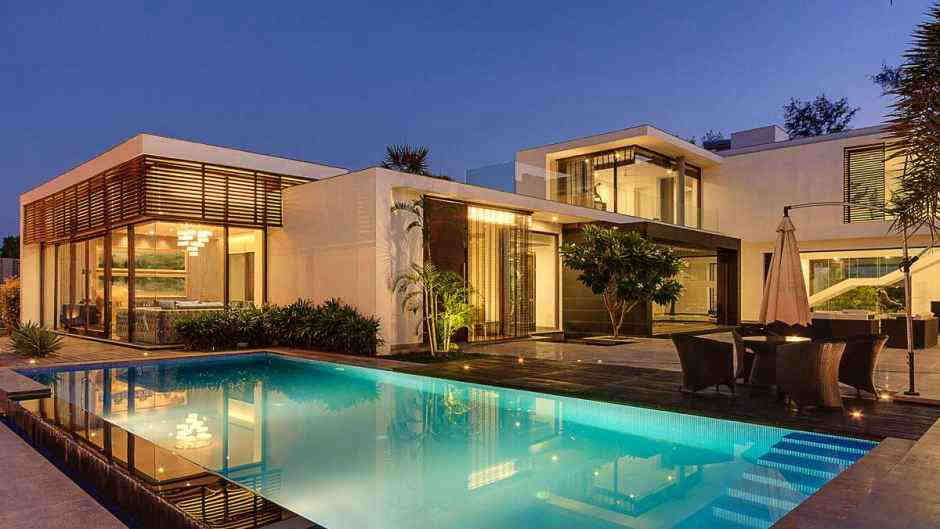
Compact living is trending. Micro-homes—typically under 400 square feet—are being designed with space-saving innovations. In parallel, compact luxury villas have emerged as a middle-ground option for those seeking comfort without extreme costs.
3. Government-Backed Affordable Housing Programs
Countries including the UK, Australia, and South Africa introduced or expanded housing assistance programs in 2024 to support affordable construction and home ownership.
4. Energy Efficiency as a Standard
More affordable homes now come with eco-friendly features such as solar panels, improved insulation, and smart meters—driven by environmental regulations and long-term savings goals.
Regulations and Housing Policies
Affordable housing is shaped heavily by government initiatives and legal frameworks. Below are some examples of how different regions address the issue:
| Country | Key Housing Policies |
|---|---|
| United States | Section 8 housing vouchers, LIHTC program (Low-Income Housing Tax Credit) |
| India | Pradhan Mantri Awas Yojana (PMAY) – aims to build 20 million affordable homes by 2025 |
| UK | Help to Buy, Shared Ownership Scheme |
| Australia | National Housing Finance and Investment Corporation (NHFIC), First Home Loan Deposit Scheme |
| South Africa | Breaking New Ground (BNG) – government-subsidized housing developments |
Common Elements in These Programs:
- Subsidized loan options
- Land grants or reduced land prices for builders
- Tax incentives for affordable housing developers
- Special funds for first-time buyers
- Energy-efficient building requirements
Tools and Resources to Help You Find Affordable Homes
Navigating the world of housing can be overwhelming. Fortunately, there are several tools and platforms available to help make the process easier:
Online Real Estate Platforms
Zillow (USA) – Advanced filters for price, size, and location
99acres (India) – Listings with government housing scheme filters
Rightmove (UK) – Includes shared ownership and Help to Buy properties
Domain (Australia) – Search by affordability metrics and loan calculator
Property24 (South Africa) – Filters for bonded, subsidized, or low-income homes
Mortgage and Affordability Calculators
These tools help estimate what you can afford:
- NerdWallet Home Affordability Calculator
- Bankrate Mortgage Calculator
- MoneySmart Budget Planner (Australia)
Government Portals
- HUD.gov (USA)
- PMAY Urban Portal (India)
- GOV.UK Housing Schemes
- NHFIC (Australia)
- Department of Human Settlements (South Africa)
Types of Affordable Homes
Below is a comparison of different home types commonly categorized as affordable in various countries:
| Type | Features | Estimated Cost Range (Varies by Country) |
|---|---|---|
| Bungalow | Single-story home, often with a small yard; simple design | $30,000 – $150,000 |
| Apartment/Flat | Compact unit in a multi-family building; good for urban areas | $20,000 – $200,000 |
| Row House/Townhouse | Multi-story unit sharing walls with neighbors | $50,000 – $250,000 |
| Modular Home | Prefabricated, assembled on site; energy-efficient options available | $25,000 – $120,000 |
| Compact Villa | Small-scale luxury home with private land | $70,000 – $300,000 |
Frequently Asked Questions (FAQs)
1. What qualifies as an affordable home?
An affordable home is typically defined as housing that costs less than 30% of a household’s gross income, including rent or mortgage and essential utilities. This can differ by country or region.
2. Is it possible to get a loan for an affordable home with a low income?
Yes. Many governments offer subsidized home loans or reduced interest rates for eligible low- and middle-income families. Some programs may also include down payment assistance.
3. Are affordable homes lower in quality?
Not necessarily. Affordable homes may use cost-effective materials or standardized designs, but they must meet safety and structural codes. Many now include modern features like insulation, smart lighting, and efficient water systems.
4. Can I buy an affordable home as an investment property?
That depends on the local policy. Some affordable housing programs restrict resale or rental for a set period to maintain accessibility for low-income buyers.
5. How do I apply for government-subsidized housing?
Visit your country’s housing authority website or contact a local housing office. Requirements typically include income verification, documentation, and a waiting list application.
Conclusion:
Affordable housing serves a wide range of people—from young professionals starting out, to families needing stability, to retirees seeking manageable spaces. Whether you're looking at a simple bungalow or an entry-level villa, what matters is that the home fits your financial situation, lifestyle, and long-term goals.
Use available tools to evaluate your options, understand your rights and opportunities under government programs, and seek professional guidance when needed. A well-informed decision today can set the foundation for long-term comfort and financial security.