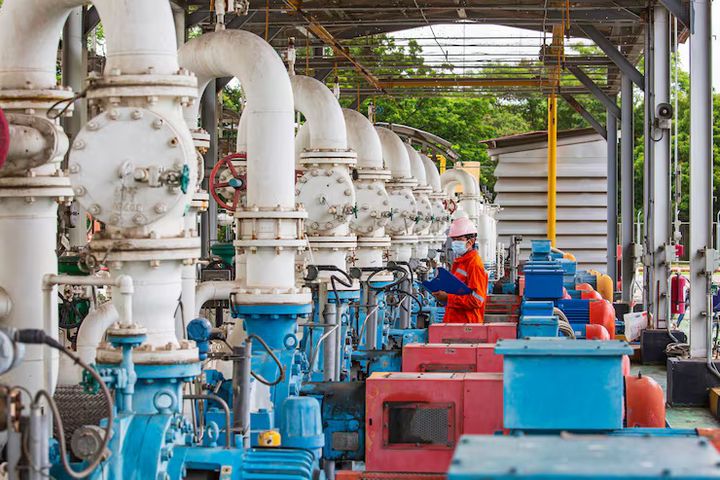
The Ultimate Guide to Powering Industry with Electric Hydraulic Pumps
Electric hydraulic pumps have become an indispensable part of modern industrial operations, combining the precision of electric control with the high power density of hydraulic systems. They deliver consistent performance in demanding environments, making them essential for industries ranging from construction and manufacturing to mining and aerospace. This guide provides a comprehensive look into the technology, applications, benefits, and optimization strategies for electric hydraulic pumps to ensure peak industrial performance.
Understanding Electric Hydraulic Pumps
An electric hydraulic pump uses an electric motor to drive a hydraulic pump, converting electrical energy into hydraulic energy. This process enables the creation of high-pressure fluid flow that powers cylinders, motors, and other hydraulic machinery.
Core Components Include:
Electric Motor – Provides rotational power for pump operation.
Hydraulic Pump Unit – Generates pressurized hydraulic fluid.
Reservoir – Stores hydraulic oil.
Valves & Controls – Regulate flow and pressure.
Hoses & Fittings – Deliver fluid to the hydraulic system.
Electric hydraulic pumps are often favored for their efficiency, precision control, and reduced environmental impact compared to traditional internal combustion-driven units.
Key Advantages of Electric Hydraulic Pumps in Industry
1. Energy Efficiency
Electric motors offer high efficiency, reducing energy waste and operational costs. Many pumps can also be programmed for variable speed operation, consuming only the energy required for the task.
2. Low Maintenance Requirements
Fewer moving parts compared to combustion-driven pumps mean lower maintenance frequency and reduced downtime.
3. Precision Control
Advanced electronic control systems enable accurate pressure and flow regulation, essential in high-precision manufacturing processes.
4. Environmentally Friendly
Electric systems eliminate exhaust emissions and significantly reduce noise levels, aligning with green manufacturing initiatives.
5. Versatility Across Industries
From hydraulic presses in manufacturing to lifting systems in construction, electric hydraulic pumps are adaptable to countless applications.
Industrial Applications of Electric Hydraulic Pumps
Construction and Heavy Equipment
Electric hydraulic pumps power jacks, lifts, and hydraulic tools used in construction, ensuring reliable operation even in remote job sites with portable battery-powered units.
Manufacturing and Assembly Lines
They are used in hydraulic presses, injection molding machines, and metal forming equipment, providing consistent force for precision production.
Mining Operations
Mining relies on high-power hydraulic systems for drilling, material transport, and lifting heavy components—electric pumps reduce operational hazards and improve control.
Automotive Industry
Electric hydraulic pumps are crucial in vehicle testing rigs, production machinery, and component assembly stations.
Aerospace Engineering
They provide the precision necessary for component fabrication, stress testing, and maintenance procedures in aerospace manufacturing facilities.
Types of Electric Hydraulic Pumps
1. Single-Acting Electric Hydraulic Pumps
Designed to supply hydraulic power in one direction, commonly used for lifting or pressing applications.
2. Double-Acting Electric Hydraulic Pumps
Capable of delivering hydraulic power in both directions, ideal for applications requiring push-and-pull operations.
3. Portable Electric Hydraulic Pumps
Compact and lightweight, often battery-powered, suitable for fieldwork and mobile maintenance.
4. High-Pressure Electric Hydraulic Pumps
Built for applications demanding extreme pressure levels, such as heavy forging or precision clamping.
Choosing the Right Electric Hydraulic Pump for Your Application
When selecting an electric hydraulic pump, consider the following factors:
Required Pressure and Flow Rate – Match pump specifications to the demands of your hydraulic system.
Duty Cycle – Determine whether the pump will operate continuously or intermittently.
Portability Needs – Choose between stationary, mobile, or battery-operated designs.
Power Supply Availability – Ensure compatibility with your facility’s voltage and phase requirements.
Control Features – Look for digital controls, variable speed options, and programmable settings for precise operation.
Installation and Safety Considerations
Proper installation and safety measures are crucial for maximizing performance and ensuring operator safety:
Mount the Pump Securely to prevent vibration-related damage.
Use Approved Hoses and Fittings rated for the system’s pressure.
Ensure Electrical Compliance with local codes and grounding requirements.
Monitor Fluid Levels regularly and maintain proper oil cleanliness.
Train Operators in safe pump handling, emergency shutoff procedures, and routine inspections.
Optimizing Performance and Extending Pump Lifespan
To ensure optimal functionality and durability:
Schedule Regular Maintenance – Check for leaks, worn seals, and contamination.
Use High-Quality Hydraulic Fluid – Maintain viscosity levels within manufacturer recommendations.
Implement Load Management – Avoid running the pump beyond its rated capacity.
Keep Cooling Systems Operational – Prevent overheating in continuous-use applications.
Log Operational Data – Use monitoring systems to track performance trends and anticipate maintenance needs.
Technological Innovations in Electric Hydraulic Pumps
Smart Controls & IoT Integration
Modern pumps feature remote monitoring, predictive maintenance alerts, and cloud-based performance tracking for increased reliability.
Energy Recovery Systems
Some advanced units recover and reuse hydraulic energy during low-load periods, further reducing operational costs.
Noise Reduction Designs
Innovations in motor design and housing materials have led to quieter operation, improving workplace safety and comfort.
Future Trends in Industrial Electric Hydraulic Pump Use
The coming years will see:
Wider Adoption of Battery-Powered Units for mobility and remote operations.
Integration with Automated Production Lines for synchronized manufacturing processes.
Enhanced Cybersecurity Measures for connected pumps in industrial IoT networks.
Development of Eco-Friendly Hydraulic Fluids for sustainable operations.
Conclusion
Electric hydraulic pumps are transforming the industrial landscape with their efficiency, precision, and adaptability. From heavy-duty manufacturing to portable field operations, these pumps offer unparalleled advantages in performance and environmental compliance. By selecting the right type, maintaining it properly, and leveraging the latest technological advancements, industries can achieve higher productivity, reduced costs, and a smaller environmental footprint.